

Information and Answers to Frequently Asked Questions
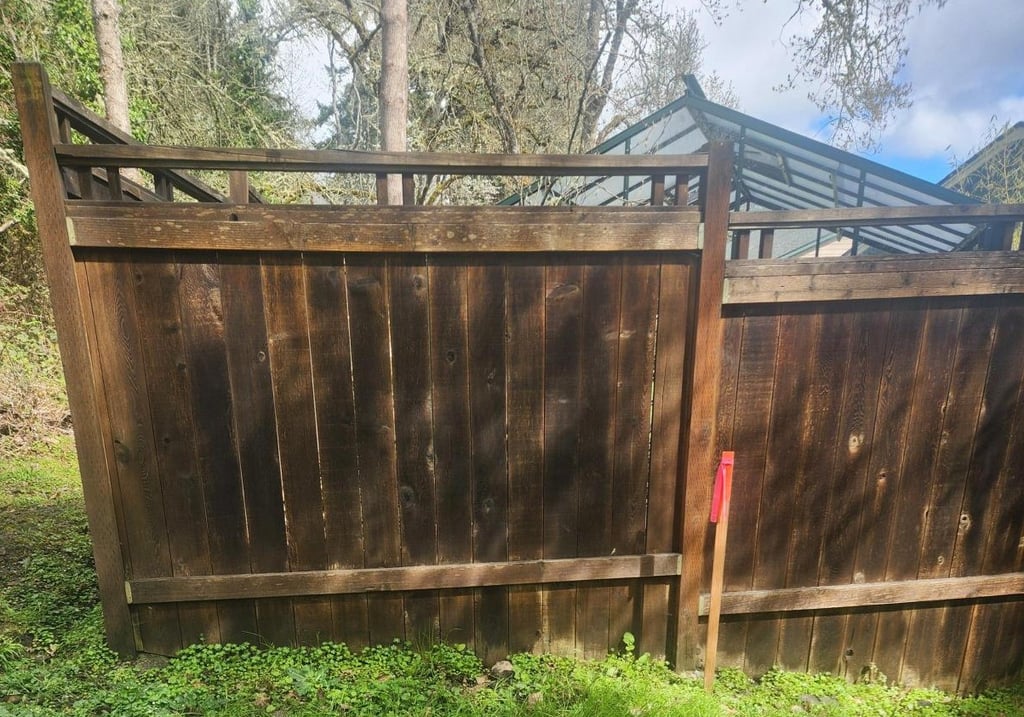
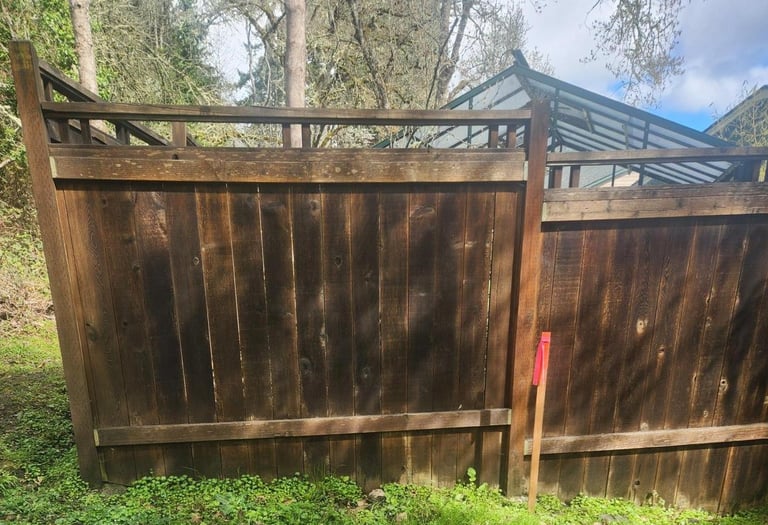
I just want to build a fence, what am I paying for?
You've decided to put up a fence. Maybe it's for privacy, to keep pets in the yard, or to settle a long-standing question about where your property ends and your neighbor's begins. The project feels straightforward — until someone mentions hiring a land surveyor, and you see the quote.
It's a fair reaction. Survey costs can surprise homeowners who expected a simple answer to a simple question: Where exactly is my property line? But that surprise usually comes from not knowing what a surveyor actually does to answer it. Once you understand the work involved, the cost makes complete sense — and skipping the survey starts to look like the far more expensive choice.
Fences, landscaping, old posts, hedgerows — neighborhoods are full of physical features that look like property lines but may or may not reflect where the legal boundary actually sits. Some were placed by a previous owner's best guess. Others may have genuine legal weight: boundaries can become established over time through written agreements between neighbors, long-term acquiescence, or occupation and use that both parties have recognized for years. These are legal doctrines that establish boundaries, and a surveyor must account for them.
That's precisely what makes boundary determination more complicated than it first appears. Your boundary isn't simply a matter of reading one deed — it always involves reviewing the descriptions within the deeds of surrounding owners as well, then reconciling those legal descriptions with monuments found in the field and evidence of how the land has actually been treated over time. A competent licensed land surveyor will weigh all of that evidence, render an opinion on the location of the boundary, and then is the only person legally allowed to mark the boundary on the ground.
When you hire a surveyor to locate a boundary line, here's what happens before a single stake goes in the ground:
Research and deed analysis. The surveyor pulls your deed, your neighbors' deeds, plat maps, and any related recorded documents from the county. Sometimes it maybe necessary to reconcile conflicting descriptions written across different eras, using different measurement systems and reference points.
Field work. A crew visits the property with precision GPS and optical instruments to locate existing monuments — iron pins, concrete markers, or other physical evidence of prior surveys. These may be buried, moved, or missing entirely, requiring additional investigation.
Calculations and analysis. The surveyor uses the recovered evidence and legal documents to calculate where the boundary falls and verifies that everything is consistent with the record.
Staking. Finally, the boundary corners and line are marked in the field so you can actually see where to build.
Each of these steps takes time from trained professionals using calibrated, expensive equipment. A boundary survey isn't a single afternoon of walking around with a measuring tape — it's often several hours to days of combined office and field work.
Homeowners sometimes decide to save the surveyor fee by relying on an old survey, a neighbor's opinion, or an online GIS property map. That decision can be costly in ways that dwarf the original survey quote.
Encroachment disputes. If your fence turns out to be even a foot over the line, your neighbor can require you to move it — at your expense. Litigation over boundary disputes is common, and legal fees accumulate quickly.
Permit complications. Many municipalities require a survey before issuing a permit, or will flag encroachments during the permitting process. Discovering the problem after construction means tearing down, rebuilding, and delays.
Title issues. An encroaching fence can become a cloud on your title, creating complications if or when you sell the property.
Neighbor relationships. This one deserves more than a bullet point. Few things damage a neighborly relationship faster than a fence that crosses the line — even unintentionally — but the real cost runs deeper than the dispute itself.
Think about what it means to share a boundary with someone you're in conflict with. You see them when you pull into the driveway, when you mow the lawn, when you let the dog out in the morning. There's no avoiding it. A boundary dispute that starts over a few feet of land can quietly poison years of daily life, making your own home feel less like a refuge and more like a source of dread.
Having been involved in a number of these situations professionally, what stands out is that the survey — the line on the ground — is rarely the whole story. The boundary may be the presenting issue, but the root is almost always the relationship between the parties. Once that relationship breaks down, even a clear survey result can feel like a verdict rather than a resolution, and getting there may have cost both sides far more in stress, legal fees, and lost goodwill than the land in question was ever worth.
A survey done before the fence goes up — before anyone feels wronged — keeps the question technical rather than personal. It gives both neighbors a neutral, professional answer they can accept without anyone losing face. That's worth something that doesn't show up in any cost comparison.
A survey quote reflects the expertise of a licensed professional, the cost of precision equipment, the time spent in research and field work, and the legal weight that comes with a stamped, recorded document. You're not just paying for someone to walk around your yard. You're paying for certainty — a defensible, legally recognized answer to where your property ends.
That certainty is what lets you build your fence with confidence, sleep well after it's done, and avoid the far steeper costs that come from getting it wrong.
Before You Build, Survey First
If you're planning a fence and need to know where your boundary line sits, the right first call is to a licensed land surveyor. The investment is modest compared to what you're protecting — your property, your relationships with neighbors, and the full value of your home.
We're happy to walk you through what a boundary survey involves for your specific property and provide a clear, itemized quote. Reach out and let's talk before the first post goes in the ground.
The Line You See Isn't Necessarily the Line That's There
What a Surveyor Actually Does (and Why It Takes Time)
The True Cost of Skipping the Survey
What You're Really Paying For
Contact
Reach out for Expert Land Surveying Services
© 2025. All rights reserved.
Phone